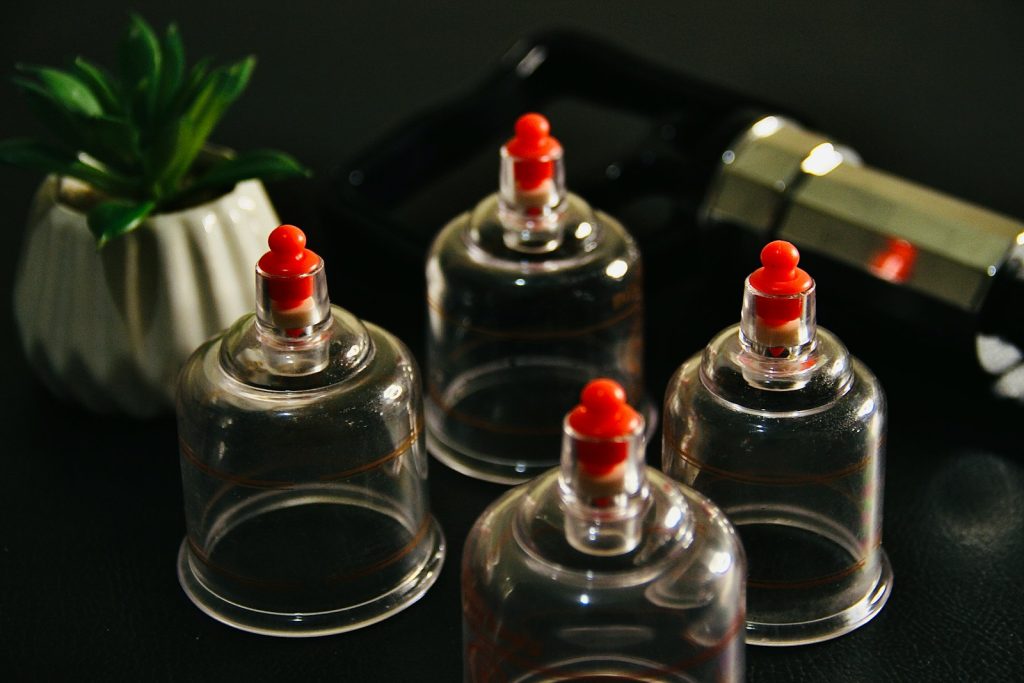
Cupping therapy, a practice with roots in ancient medicine, has gained modern acclaim for its myriad health benefits and unique approach to healing and relaxation. Despite its historical significance, many are still unfamiliar with what cupping entails and how it can contribute to their wellness routine. Let’s demystify cupping therapy, exploring its benefits and what you can expect during a session.
What is Cupping Therapy?
Cupping therapy involves placing cups on the skin to create suction. Traditionally, these cups were made of glass, bamboo, or earthenware, though modern practitioners often use silicone or rubber. The suction created by the cupping process is believed to stimulate blood flow to the area, facilitating healing, easing muscle tension, and promoting overall well-being.
Key Benefits of Cupping Therapy
- Eases Muscle Tension: Cupping is particularly effective at relieving muscle stiffness and pain. The suction encourages blood flow to the targeted area, reducing inflammation and promoting muscle recovery.
- Promotes Relaxation: Much like massage, cupping can be a deeply relaxing experience. The therapy often helps to release physical and emotional tension, contributing to a state of mental calmness.
- Enhances Circulation: The vacuum effect from cupping increases circulation, bringing oxygen-rich blood and nutrients to the muscles and skin, which can accelerate the body’s natural healing processes.
- Detoxifies the Body: By drawing blood to the surface, cupping is believed to help remove toxins from the body’s tissues. This detoxification process can boost the immune system and improve overall health.
- Improves Skin Health: Increased blood flow and nutrients to the skin can have a rejuvenating effect, potentially improving conditions such as acne, eczema, and cellulite.
What to Expect During a Cupping Session
If you’re considering cupping therapy, here’s what you can expect:
- Consultation: Your session will likely begin with a consultation, where your therapist will discuss your health history and objectives for the treatment.
- Application: The therapist will then apply cups to specific areas of your body. You might feel a tight sensation as the cups pull your skin, but this is generally not painful.
- Duration: The cups are usually left in place for 5 to 15 minutes, depending on your individual needs and the practitioner’s approach.
- Aftercare: Post-session, it’s common to have circular marks on your skin where the cups were placed. These marks are temporary and usually fade within a few days to a week.
- Relaxation: Many people report feeling relaxed and rejuvenated after a cupping session, with improved mobility and reduced tension.
Preparing for Your Cupping Session
To get the most out of your cupping therapy, stay hydrated before your appointment, and avoid eating a heavy meal immediately beforehand. Wear comfortable clothing and be prepared to discuss any specific areas of concern with your therapist.
Cupping therapy offers a unique approach to wellness, combining ancient wisdom with modern understanding of the body’s healing processes. Whether you’re seeking relief from muscle pain, looking to boost your immune system, or simply curious about this traditional therapy, cupping can be a valuable addition to your health and wellness routine. With its ability to relax, detoxify, and heal, cupping therapy is indeed a practice worth exploring.